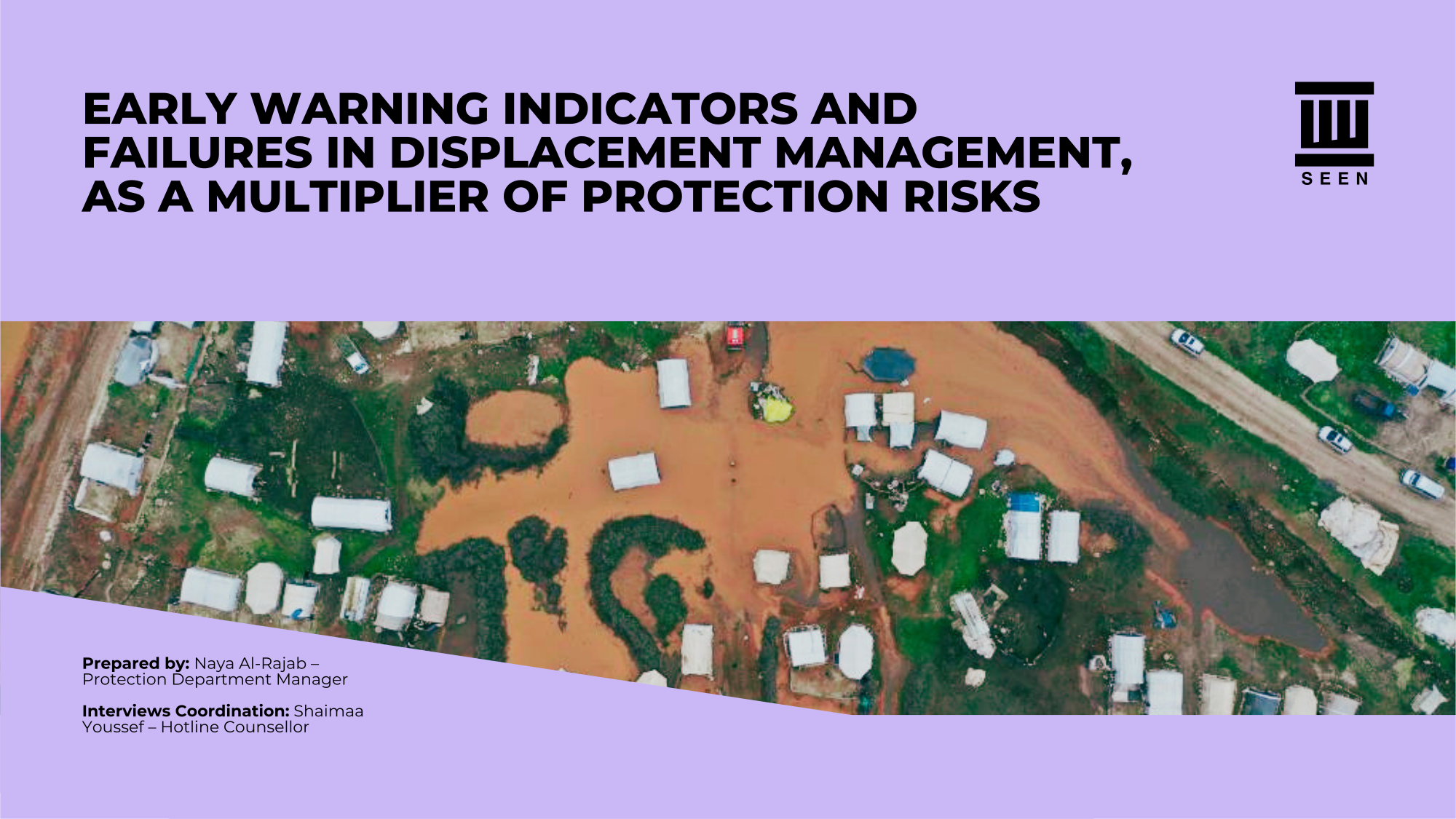
This report examines how recurrent flooding in northeastern and northwestern Syria during February and March 2026 interacted with long-standing weaknesses in displacement management, infrastructure, and humanitarian response.
The analysis highlights how foreseeable environmental hazards can become multipliers of existing protection risks when displaced communities remain in unsafe locations with inadequate shelter, drainage systems, services, and access to durable solutions.
Drawing on humanitarian and human rights reporting, as well as testimonies from affected communities, the report explores key protection concerns including shelter destruction and secondary displacement, gender-based violence, disruption of essential services, negative coping mechanisms, legal accountability gaps, and the heightened risks faced by women, children, LGBTQIA+ people, and other marginalized groups.
The report also identifies measurable early warning indicators and structural response gaps and provides recommendations to Syrian authorities, United Nations agencies, international NGOs, donors, local communities, and the Syrian diaspora.
Prepared by:
Naya Al-Rajab – Protection Department Manager
Interview Coordination:
Shaimaa Youssef– Hotline Counsellor
Read the full report:
Download the report in English
Download the report in Arabic
Follow us on our media channels to receive more updates

.png)


.svg)